Foundational biology explained simply, clearly, and visually.
Cells, DNA & genes
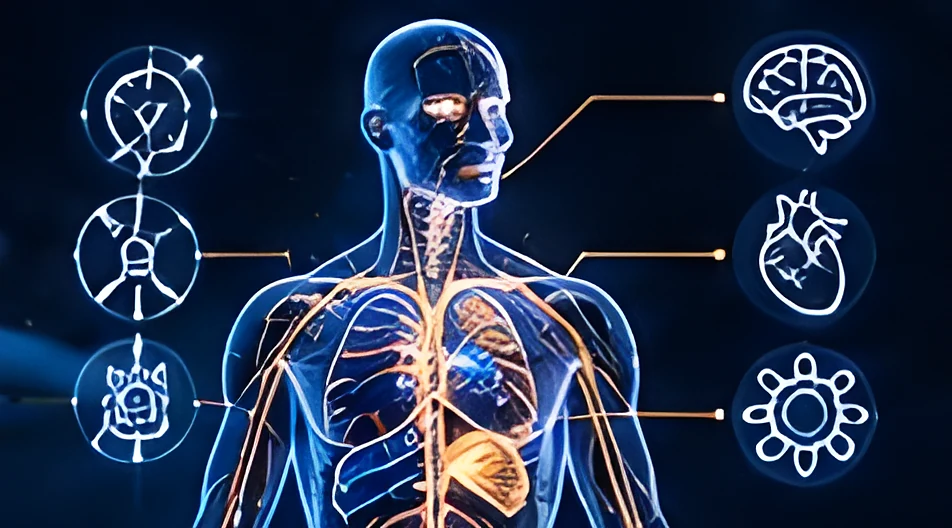
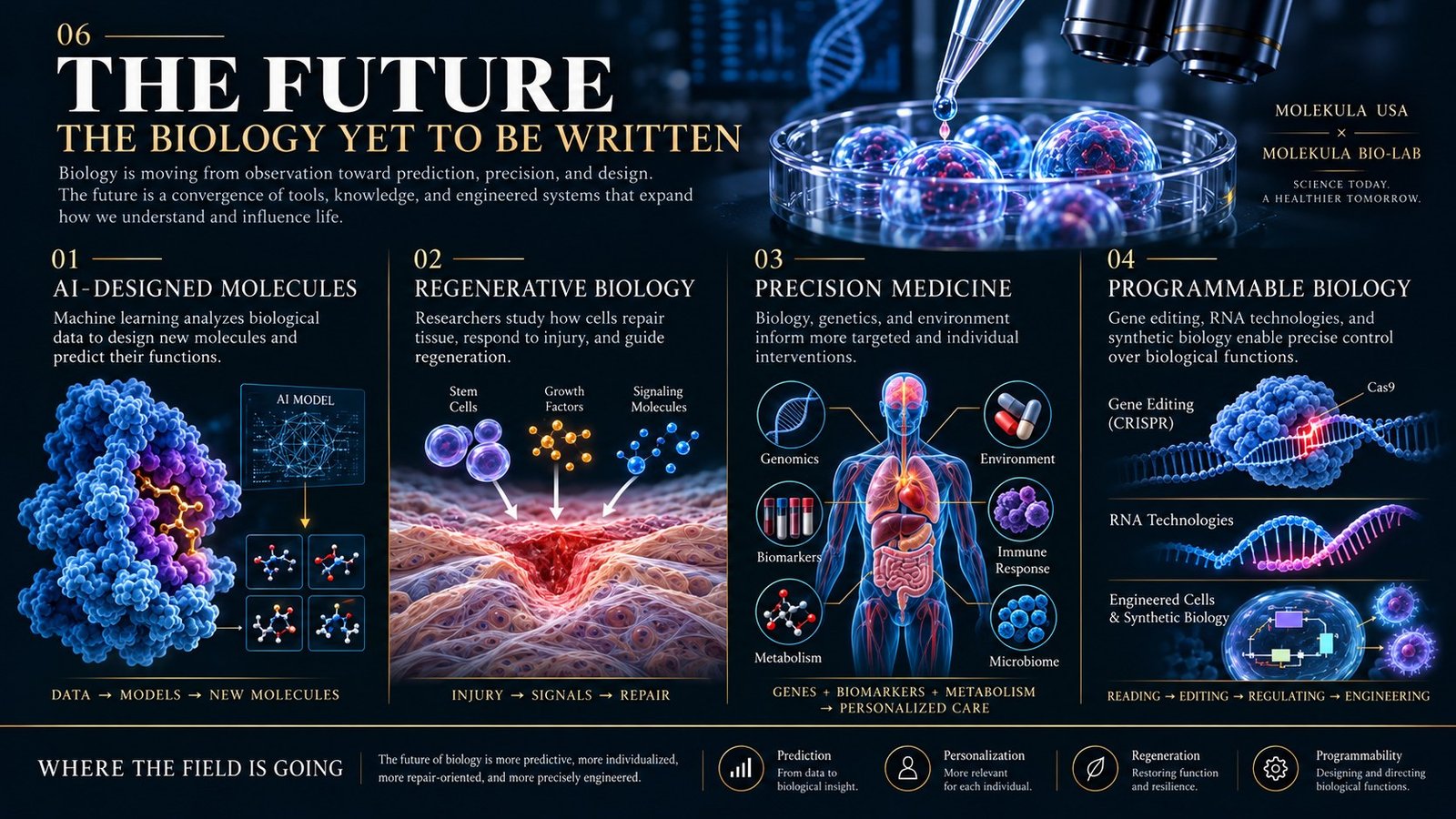
Cells are the basic units of life. DNA stores biological information, and genes are specific instructions within DNA that help guide how the body grows, functions, and repairs.
Amino acids are the building blocks. Peptides are short chains of amino acids that often act as signals. Proteins are larger structures that build, transport, repair, and perform many essential functions.
Hormones carry messages through the body. Exosomes help transport biological information between cells. Cellular communication is the way cells send, receive, and respond to signals.
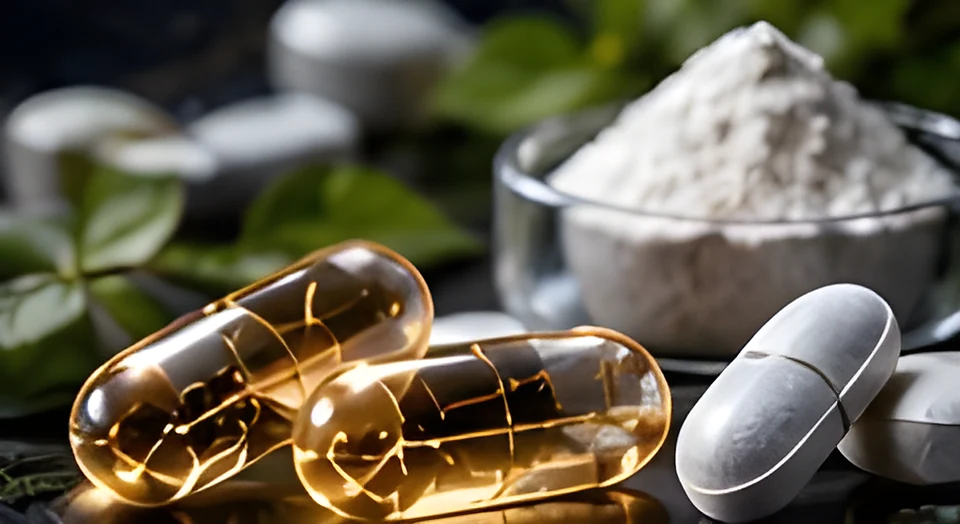
Nutrients such as vitamins, minerals, amino acids, and proteins help support normal biological function. Supplements are concentrated forms used to complement dietary intake.
Cells = tiny living units. DNA = the master code. Genes = specific instructions. Amino acids = building blocks. Peptides = messages. Proteins = machines.
Cell: basic unit of life. Gene: instruction inside DNA. Peptide: short amino-acid chain. Protein: larger functional chain. Hormone: biological messenger. Exosome: information carrier.
Understand how biological systems connect, signal, adapt, and respond.
Genetic instructions
DNA stores biological information. Cells read DNA into RNA and use that information to build proteins. Gene expression determines which instructions are active, and epigenetics influences how genes are used.
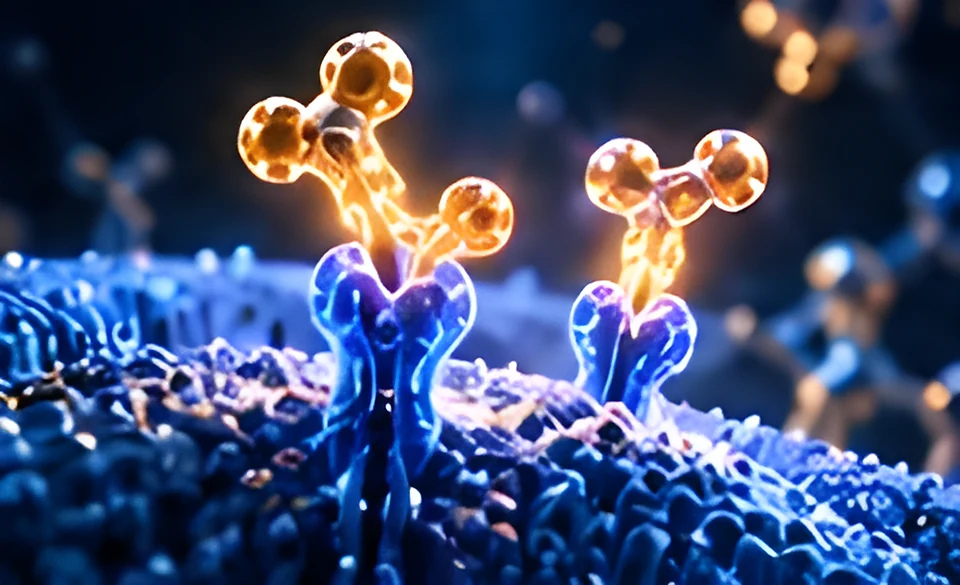
Peptides, hormones, growth factors, and cytokines act as biological messengers. Receptors receive these signals and help trigger specific cellular responses.
Inflammation is part of the body’s defense and repair response. Cytokines coordinate immune signaling, and stem cells support renewal and tissue maintenance.
Longevity research studies aging, cellular resilience, and recovery. Emerging molecules are being investigated for metabolism, signaling, repair, and performance.
Scientific studies help explain how biology works. Cell, animal, and human research each offer different levels of evidence and should be interpreted carefully.
Understand how biological compounds act, how evidence is evaluated, and what research can — and cannot — conclude.
Mechanisms & targets
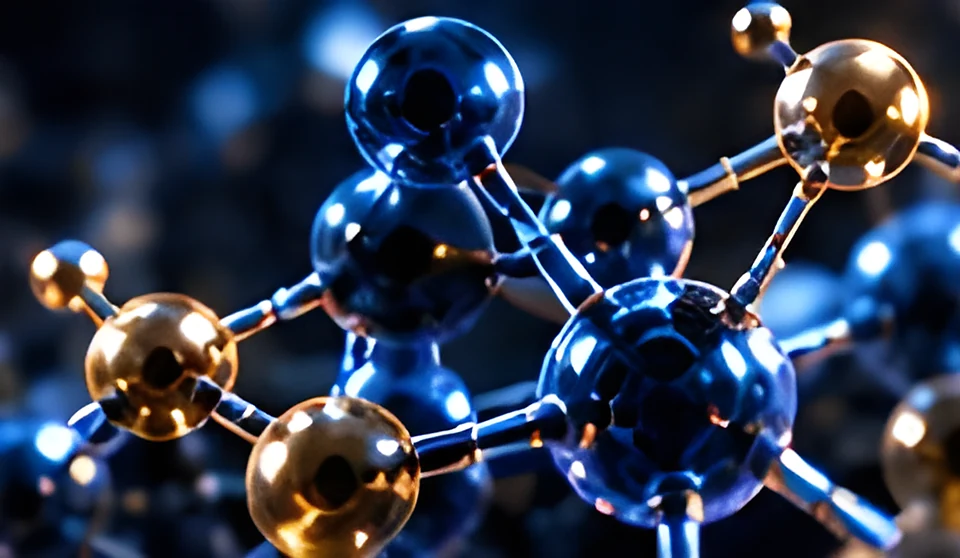
Molecules may interact with receptors, enzymes, transporters, or other cellular targets. These interactions can activate or inhibit biological pathways and produce measurable cellular responses.
In-vitro studies examine cells or tissues in the laboratory. Animal studies provide preclinical evidence. Human studies offer the most directly relevant evidence for human outcomes, but design and limitations still matter.
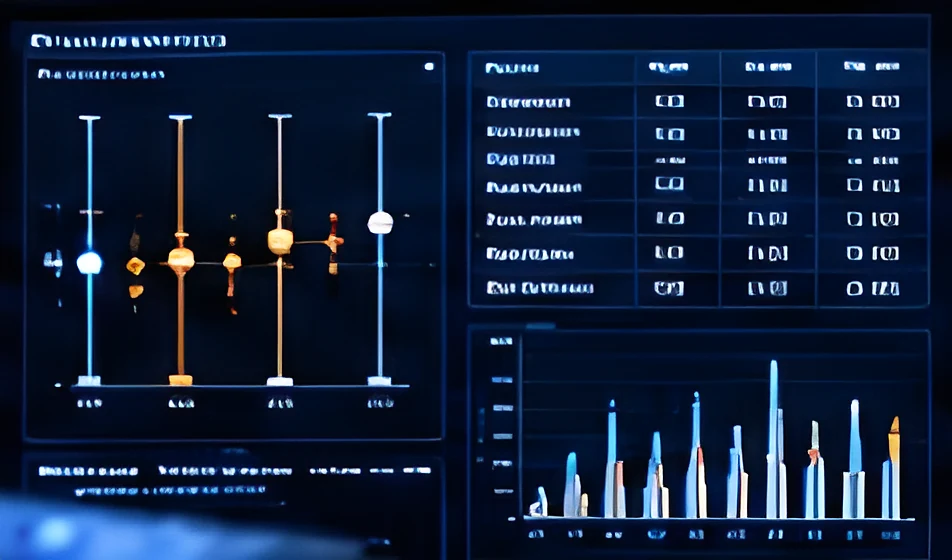
Biomarkers are measurable indicators of biological activity. Research may assess metabolic, endocrine, mitochondrial, cardiovascular, neurological, immune, or musculoskeletal systems.
Human research evaluates outcomes such as effectiveness, safety signals, dose ranges, duration, and measurable changes. Results must be interpreted within the design and limitations of each study.
Peptides, amino acids, vitamins, minerals, botanicals, and other compounds can influence different biological processes. Their relevance depends on mechanism, dose, bioavailability, and evidence quality.
Foundational Science → Preclinical → Early Human Data → Clinical Evidence → Established Evidence. A simple framework to distinguish promising research from stronger, more mature evidence.
Clear separation of in-vitro, animal-model, and human data, including experimental model, biological endpoint, and the relevance of each level of evidence.
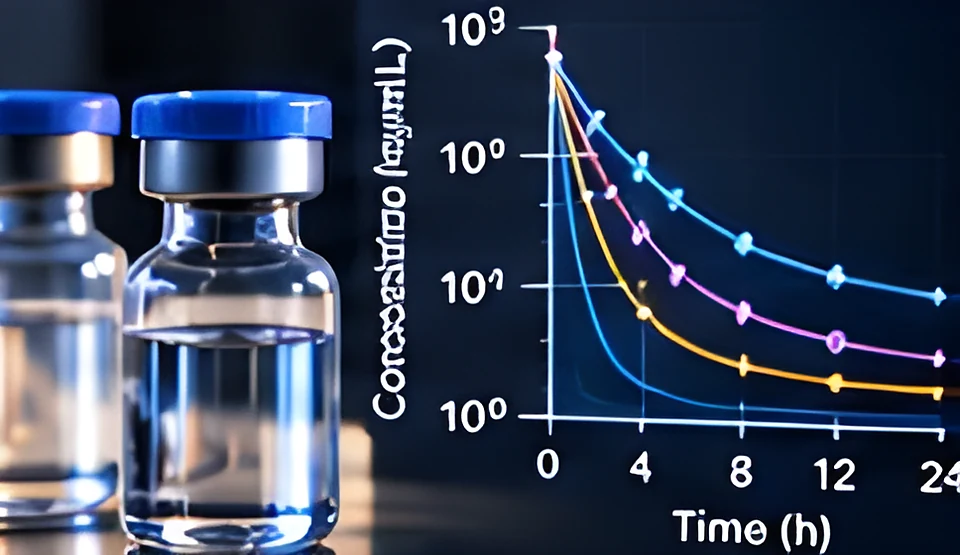
Absorption, distribution, metabolism, elimination, bioavailability, half-life, dose-response relationships, and biological activity when reliable data are available.
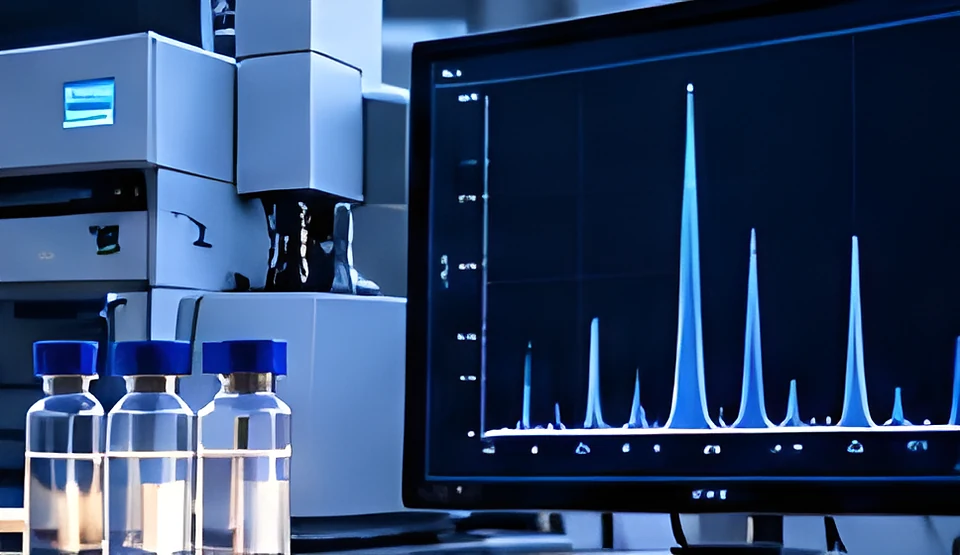
Relevant assay methods, HPLC or analytical characterization, stability information, primary research papers, DOI / PubMed references, and full bibliography.
Where science meets the questions it cannot finish
Existence. Consciousness. Order. Meaning. The questions that remain after measurement ends — starting with: why is there something rather than nothing?
Molekula Education is educational content only. It does not provide medical advice, diagnosis, or treatment. Always consult a qualified professional. See our Research Use Disclaimer.